5 Signs That Your Fleet Is Costing Your Business More Than It Should
For many businesses, fleet vehicles are essential tools that keep operations moving. Whether your company relies on work trucks, cargo vans, service vehicles, or a combination of commercial equipment, your fleet plays a critical role in productivity, customer service, and profitability. However, while vehicle expenses are often viewed as a necessary cost of doing business, many companies don't realize how much money they may be losing due to inefficient fleet management, aging vehicles, and outdated equipment.
The challenge is that fleet-related costs don't always appear in obvious ways. Beyond fuel, maintenance, and insurance expenses, hidden costs such as downtime, lost productivity, and missed business opportunities can significantly affect your bottom line. If your fleet isn't operating as efficiently as possible, your business could be spending far more than necessary.
Businesses that regularly evaluate fleet performance are often better positioned to control costs and maximize efficiency. What may seem like minor issues on individual vehicles can quickly add up when spread across an entire fleet. Identifying problem areas early allows companies to make informed decisions about maintenance, replacement schedules, vehicle selection, and fleet management strategies before unnecessary expenses begin affecting profitability.
Here are five signs that your fleet may be costing your business more than it should.
1. Repair and Maintenance Costs Keep Rising
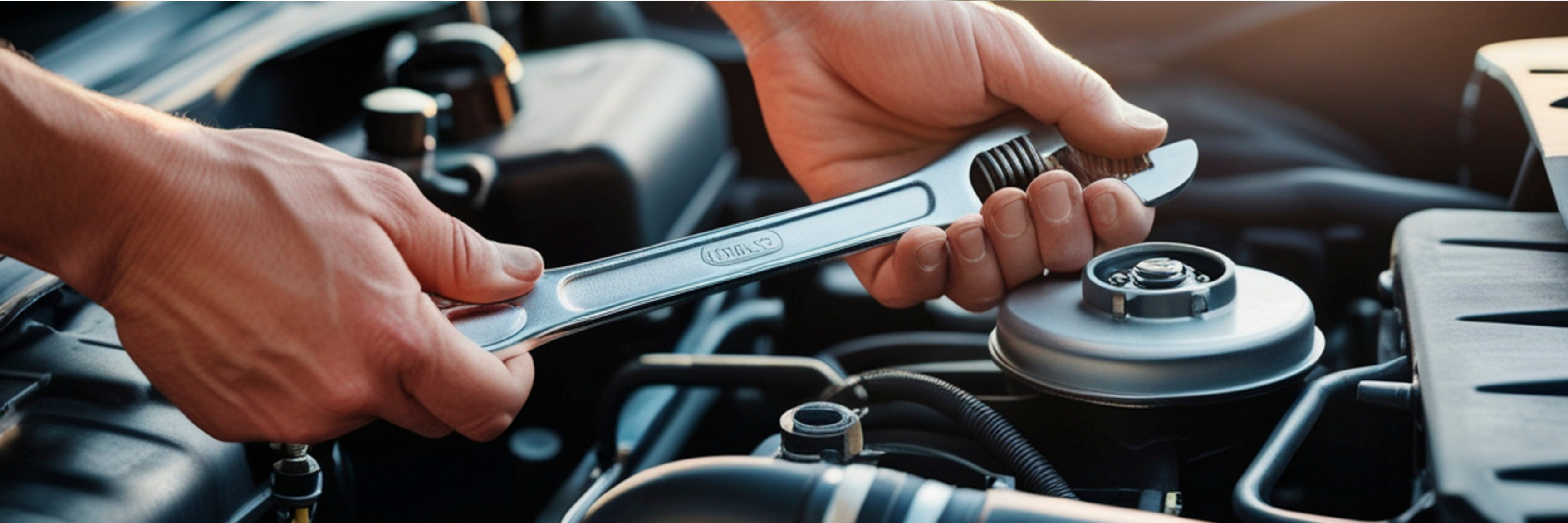
Routine maintenance is a normal part of fleet ownership, but there comes a point when repair costs begin to outweigh the benefits of keeping older vehicles on the road. As vehicles age, major components often require more frequent attention, leading to higher service costs and increased downtime. What may seem like manageable repair expenses at first can gradually become a significant drain on your fleet budget.
As vehicles age, components naturally wear out. Engines, transmissions, cooling systems, brakes, suspension components, and electrical systems all require more attention over time. What starts as occasional maintenance can quickly become a steady stream of repair bills.
The costs go beyond the repair itself. Every time a vehicle is in the shop, it is unavailable for work. Employees may have to adjust schedules, projects can be delayed, and customers may experience slower service. These interruptions can create significant hidden expenses that aren't reflected on the repair invoice.
Many businesses continue investing in aging vehicles because replacing them seems expensive. However, when maintenance costs continue increasing year after year, upgrading to newer vehicles often becomes the more cost-effective solution.
A good practice is to track annual repair expenses for every vehicle in your fleet. If a vehicle consistently requires major repairs, it may cost your business more than it's worth. Tracking annual repair expenses for each vehicle can help identify patterns and highlight units that are becoming increasingly expensive to maintain. If a vehicle regularly requires major repairs, replacing it may be more cost-effective than continuing to invest in ongoing maintenance.
2. Fuel Expenses Continue to Increase
Fuel is often one of the largest operating expenses associated with fleet management. While fuel prices naturally fluctuate, consistently rising fuel costs can indicate inefficiencies within your fleet.
Older vehicles generally consume more fuel than newer models. Advances in engine design, transmissions, aerodynamics, and fuel-management systems have significantly improved efficiency across today's commercial vehicle lineup. In addition to reducing fuel consumption, many newer vehicles offer technologies that help monitor and optimize fuel usage in real-world driving conditions. Over time, these improvements can lead to meaningful savings across an entire fleet.
Several factors can contribute to excessive fuel costs, including:
- Aging vehicles with declining efficiency
- Excessive idling
- Poor route planning
- Carrying unnecessary weight
- Inconsistent maintenance
- Aggressive driving habits
Even a small reduction in fuel economy can have a major impact when multiplied across multiple vehicles and thousands of miles each year.
Monitoring fuel consumption can help identify underperforming vehicles and reveal opportunities for improvement. In many cases, upgrading vehicles or implementing better fleet management practices can generate substantial savings over the long term. Regularly reviewing fuel usage can help businesses spot inefficiencies and identify vehicles that may be driving up operating costs. In some cases, newer vehicles and improved fleet management strategies can help reduce fuel expenses and improve overall efficiency.
3. Vehicle Downtime Is Hurting Productivity
A vehicle that isn't on the road isn't generating revenue.
Downtime is one of the most expensive and overlooked fleet-related costs. When vehicles break down or require unexpected repairs, employees may be unable to complete scheduled work. Service appointments may need to be rescheduled, deliveries can be delayed, and customers may be left waiting.
In some cases, businesses are forced to rent vehicles, pay overtime, or shift workloads to other employees just to maintain operations. These additional expenses can quickly add up.
Consider the impact of a single work truck being unavailable for several days. The business may lose valuable labor hours, postpone projects, and potentially miss revenue opportunities. When multiple vehicles experience downtime throughout the year, the financial impact becomes even greater.
Reliable vehicles help businesses operate more efficiently. If breakdowns and repair-related interruptions have become common, your fleet may be quietly draining profits through lost productivity.
Frequent downtime can also affect customer satisfaction. Delayed service calls, missed appointments, and extended project timelines can create frustration for customers and potentially impact your company's reputation. Maintaining a dependable fleet helps ensure employees can stay on schedule and deliver the level of service customers expect.
4. Your Vehicles No Longer Match Your Business Needs
Businesses evolve, and fleet requirements often change along with them.
A company that started with a small service area may now travel greater distances. A contractor may need additional towing capability. Delivery businesses may benefit from larger cargo capacities or more efficient route vehicles. Meanwhile, some companies continue operating oversized vehicles that cost more to fuel and maintain than necessary.
When vehicles aren't properly matched to their daily tasks, efficiency suffers. Drivers may need to make extra trips, carry unnecessary weight, or work around equipment limitations that slow productivity.
Today's commercial vehicles offer more flexibility than ever before. Businesses can choose from a wide range of truck, van, chassis cab, and upfit configurations designed for specific industries and applications.
Regularly evaluating how your vehicles are being used can help identify opportunities to improve efficiency, reduce operating costs, and better support future growth. Businesses that periodically assess fleet utilization are often better equipped to make informed decisions about vehicle purchases and replacements. Ensuring that each vehicle is properly matched to its workload can help maximize productivity, improve driver efficiency, and support the company's long-term operational goals.
5. You're Missing Out on Modern Fleet Technology
One of the clearest signs that your fleet may be costing too much is a lack of modern fleet technology.
Today's commercial vehicles offer tools that can help businesses improve efficiency, reduce costs, and make smarter decisions. Telematics systems, GPS tracking, fuel monitoring, predictive maintenance alerts, and advanced driver-assistance features provide valuable insights that simply weren't available a decade ago.
Modern fleet technology can help managers:
- Monitor fuel usage
- Reduce excessive idling
- Optimize routes
- Track vehicle health
- Schedule maintenance proactively
- Improve driver performance
- Reduce unexpected breakdowns
Businesses that continue operating older vehicles may be missing opportunities to save money and improve productivity.
Modern commercial vehicles can also improve driver satisfaction. Features such as advanced safety systems, smartphone connectivity, navigation tools, and improved cabin comfort help create a better work environment for employees who spend long hours on the road.
Additionally, newer vehicles can project a more professional image to customers. A modern, well-maintained fleet reflects positively on your business and can help reinforce trust and credibility. A newer fleet can also enhance your company's professional appearance. Customers often notice the condition and presentation of service vehicles, and well-maintained, modern equipment can help create a positive impression while reinforcing confidence in your business and its services.
Explore Fleet Solutions at Best Ford Pro
If you're noticing rising repair costs, increasing fuel expenses, excessive downtime, outdated technology, or vehicles that no longer fit your business needs, it may be time to reevaluate your fleet strategy. The commercial vehicle specialists at Best Ford Pro understand the challenges businesses face and can help identify solutions that improve efficiency while controlling costs.
Whether you're replacing aging vehicles, expanding your fleet, exploring upfit options, or looking for advanced fleet management tools, Best Ford Pro can help you find the right commercial vehicle solutions for your operation. From work-ready trucks and cargo vans to customized fleet vehicles designed for specific industries, their team can help match your business with vehicles that support productivity, efficiency, and long-term growth. They can also assist with financing options, fleet planning, and vehicle configurations tailored to your company's unique operational needs.
Businesses of all sizes can benefit from a proactive approach to fleet management. Reviewing operating costs, vehicle performance, and future transportation needs on a regular basis can help uncover opportunities to improve efficiency and avoid unnecessary expenses. The right fleet strategy can support smoother day-to-day operations while helping your business remain competitive as it grows. By investing in the right fleet strategy today, your business can reduce expenses, improve productivity, and position itself for long-term success.
Schedule Service Today!