Best Ford of Nashua Commercial

Blog

How Commercial Vehicle Purchases Can Help Reduce Your Tax Burden

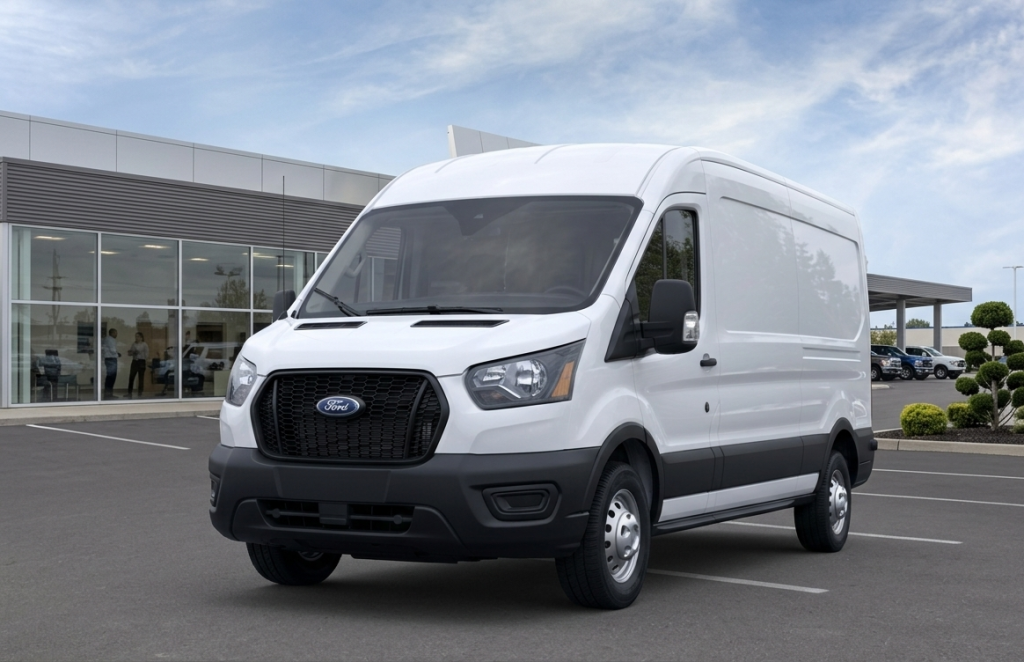
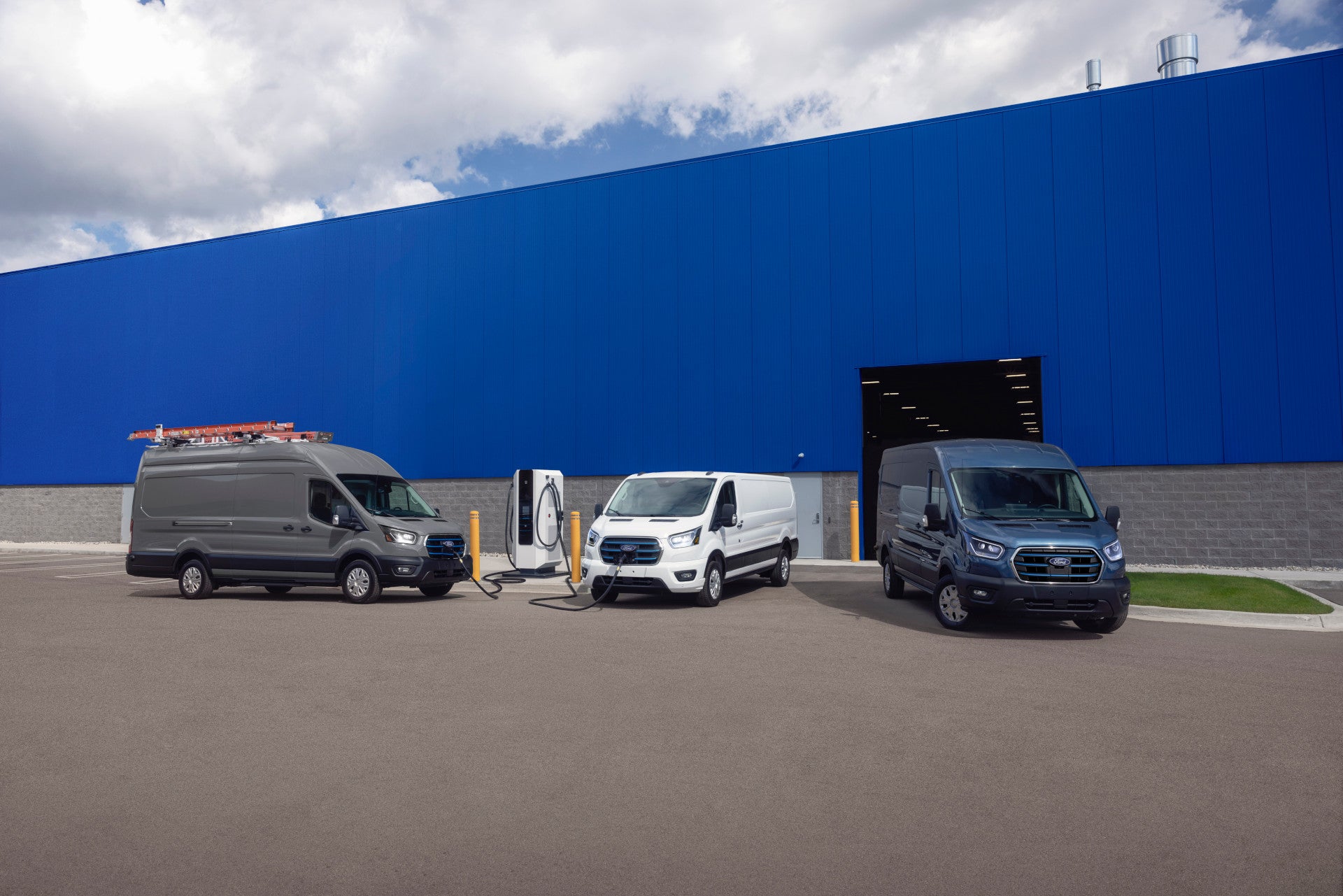
The Ford Transit outside a dealership

Well, the good news is that it is entirely possible to reduce your commercial tax burden in the USA. 

There's no need to duck and dive, hiding from the IRS when you can achieve tax reductions using legally established IRS Credits & Deductions and structural strategies.

Learn how commercial vehicle purchases can help reduce your tax burden.

What are the core tax reduction incentives on commercial vehicle purchases?

Purchasing a commercial vehicle from a dealership like Best Ford Pro-Elite in Nashua gets you sound financial advice from our team to maximize your business tax savings.

Section 179 deduction

As a business owner, you will, without a doubt, be looking to maximize your tax savings.

Getting a full understanding of the Section 179 deduction for commercial vehicles will go a long way toward enhancing your business's fortunes.

In a nutshell, the Section 179 tax deduction allows your business to write off the entire purchase cost of qualifying commercial vehicles in the year of purchase, rather than depreciating the value of the vehicle over several years. 

The Section 179 Deduction is a valuable incentive for businesses looking to upgrade or expand their fleet, allowing you to deduct the full purchase price of qualifying vehicles purchased or financed during the tax year, reducing your taxable income by the purchase amount and leading to substantial tax savings, especially helpful for small and medium-sized businesses. 

Maximum deduction limits typically scale up annually to around $1.25 million, with an overall spending cap. The vehicle must be used for business purposes for over 50% of the time and used within the first year after purchase.

SUVs, trucks, and vans must have a gross vehicle weight rating between 6,000 and 14,000 pounds to qualify.

Passenger vehicles, such as the Ford Transit Passenger XL and XLT, also qualify for deductions if used predominantly for business.

Bonus Depreciation

Any Bonus Depreciation will supplement tax reduction benefits from Section 179. 

Under current tax codes, commercial enterprises can use 100% Bonus Depreciation on eligible commercial vehicle purchases, with no annual spending cap for maximum first-year write-off.

Actual Expenses vs. Standard Mileage

Business owners can deduct ongoing operational costs for a passenger car by keeping accurate records and documents of expenses such as fuel, maintenance, insurance, and running repairs.

Business owners can use either the IRS Actual Expense Method or the standard mileage rate.

It's recommended to use both methods to first establish which method gives you a better deduction.

What are the IRS requirements?

Keeping the taxman happy means strict record-keeping, and to qualify for business vehicle tax deductions, your vehicle must meet specific IRS criteria that demonstrate a legitimate business purpose and proper documentation. 

Business owners must substantiate all deductions by maintaining comprehensive records of their business vehicle use that include:

  • Date of each business trip
  • Destination and business purpose
  • Mileage for each business trip
  • Documentation of business necessity

We highly recommend that commercial vehicle owners consult with a qualified tax professional to understand how these rules apply to their specific situation and state.
Recommended Posts

Ford Transits

Fleet Maintenance Checklist for New England Businesses Before Winter

Running a vehicle fleet is costly and challenging, and seasonal changes, especially in New England's northern regions, bring heavy snow and icy weather that vastly shape how you manage your fleet. Are fleet maintenance checks necessary before winter in New England? A winter wonderland is great for those with time to enjoy the snow, but for your business fleet, winter’s freezing temperatures can cause serious, costly mechanical issues and unsafe driving conditions. What should a fleet maintenance checklist before winter include? Business owners can avoid expensive repair bills and frustrating downtime by doing key checks on their fleets before winter hits. Checking the battery and electrical system Check battery and electrical systems before winter sets in, as New England's freezing temperatures can cause your car’s battery to lose significant power, leading to no-start conditions. Inspect and replace wiper blades For safety, inspect the wiper blades on your fleet vehicles and replace them with blades better suited to icy conditions if needed. Freezing winter temperatures can make wiper blades brittle, reducing their ability to clear snow and ice. Change to winter tires For businesses operating in New England regions with harsher winter conditions, fitting the right winter tires with different tread patterns and compounds is necessary to keep your staff and vehicles safe. Correct tire pressures Along with fitting the right winter tires, fleet owners should check tire pressures. The colder temperatures in winter will cause your fleet's tires to lose pressure, reducing traction, causing uneven wear, or increasing the risk of a dangerous blowout. Heating and defrosting systems Happy employees mean higher productivity, and checking your fleet's heating and defrosting systems before winter starts ensures staff aren't freezing during the workday. Your fleet's HVAC systems not only keep staff warm, but insufficient defrosting compromises safety when you cannot clear a windscreen effectively to drive. Antifreeze and coolant Importantly, the antifreeze/coolant in your fleet must meet the correct specifications for your vehicles and be at the right levels to prevent costly engine damage. Windshield washer fluid Use the correct winter-grade windshield washer fluid to prevent freezing and reduce the risk of damage to your windshield washer system's plastic components. Engine oil viscosity Below-freezing temperatures thicken a vehicle's engine oil. To prevent expensive repair bills, use the correct specification of winter-grade motor oil. Brake system inspection Have your local Ford commercial dealership, like the Best Ford Pro Elite Commercial Service Center in Nashua, NH, inspect your fleet's braking system, including pads, rotors, and brake fluid, to keep winter driving safe. Protect your fleet's exterior Vehicles are a costly asset to your business, and protecting your fleet's paintwork helps maintain their value. Paint protectors or sealants, plus regular washing and waxing, can reduce the risk of damage from sub-zero temperatures, ice, and rust caused by salted roads. Get your fleet ready for winter at Best Ford Pro Elite Best Ford Pro Elite in Nashua, NH, services commercial vehicles, fleets, RVs, and work trucks of various makes and models, so there's no better place to get your fleet ready for winter. Our senior, master-certified technicians will ensure your fleet stays in shape for work and safe winter driving. Check Out Our New Inventory

Best Ford vehicles at the delearship

Fleet Financing vs. Leasing: Which is Better for a Small Business?

For small business owners, cash flow largely dictates any business vehicle financing, meaning careful financial planning is needed to secure the best possible deal and terms for your business’s financial health. What is the difference between fleet financing and leasing? Generally speaking, fleet financing suits small business owners focused on long-term ownership and heavy asset use. In contrast, fleet leasing is a better option for small business owners who need to prioritize cash flow and handle frequent vehicle upgrades. Fleet financing options Fleet financing uses a loan or installment sale agreement to buy commercial vehicles outright over time. Your vehicle becomes permanent company property, or an asset, once the loan ends. Once the loan is paid off, fleet financing allows small business owners to enjoy long-term value and operate debt-free vehicles for years with total flexibility. Owners enjoy zero mileage limits, can apply custom branding, and aren't subject to usage restrictions. The caveat, however, is the need for larger down payments, steeper monthly installments, and the unavoidable depreciation risk as vehicle values drop with higher mileage and costs of business-related wear and tear. Fleet leasing options Fleet leasing works like a long-term rental, which is ideal for small business owners who want to keep monthly overhead low. Small business owners will enjoy lower upfront costs, as leasing requires minimal capital to get commercial vehicles on the road. Business owners will appreciate the easier, more predictable budgeting, with monthly payments that often bundle maintenance and repairs. When it's time to replace or upgrade your commercial vehicles, leasing avoids the headaches typically associated with getting the best trade-in deal. Business owners can swap out old vehicles for newer models every two to four years, but leasing comes with strict limitations that may not suit fleet owners. Leasing a vehicle for business purposes means penalties for exceeding mileage caps or for excess wear and tear, which isn't ideal for vehicles used heavily, like construction sites or long-distance delivery fleets. Fleet leasing also means that, as a business, you build zero equity and pay continuously without ever owning the asset. Get sound financial advice at Best Ford Pro Elite Nashua At Best Ford Pro Elite Nashua, small business owners will find the right financing solutions for their business. Let the dedicated finance experts at Best Ford make commercial vehicle financing easy with Ford Pro™ FinSimple®, a one-stop shop for businesses of any size. Connected to all aspects of Ford Pro™, we have the resources and expertise to help your small business thrive by offering competitive interest rates, flexible repayment terms with no nasty hidden fees, and a simplified process to get approved, allowing you to focus on your business. Services offered include: Commercial Installment Financing Commercial Red Carpet Lease Commercial lease (TRAC) Section 179 advice Find your next commercial vehicle at Best Ford Pro Elite Nashua Best Ford Pro-Elite in Nashua, NH, offers small business owners professional services built around their real-world needs. Visit with our experienced team when you are ready to receive the best deal and the best financing advice for your business’s next vehicle purchase. Check Out Our New Inventory

Commercial Ford vehicle

Service Body vs Utility Body: Which Work Truck Setup Is Right for You?

Your work truck is all about getting the job done more quickly, more effectively, more conveniently, and more cost-effectively. Whether you are on a construction site or a mobile mechanic, get the best advice from Best Ford Pro Elite Commercial Dealership on body configurations tailored to your specific requirements. What is a service body vs a utility body? The differences between a service body and a utility body are often obscured by industry jargon across automaker brands. When ordering your Ford F-350, F-450, F-550, or F-600 from a Ford commercial dealership like Best Ford Pro Elite, you can have your truck upfitted with a service or utility body by an accredited Ford upfitter that best suits your work requirements. A simple way to think of a service body is a specialized body, configured and built for organization and easy external accessibility. The service body replaces the standard load bed with lockable vertical and horizontal storage compartments easily accessible from the outside of the vehicle. The term utility body is often used, confusingly, to refer to the traditional open factory pickup bed. Still, when it comes to the heavy-duty Ford Chassis Cab trucks, a utility body configuration refers to an enclosed service unit that adds a fixed roof and rear doors, prioritizing uncompromised floor space over side cabinets, creating an enhanced, protected interior workspace. Which is better: service body or utility body? The right choice for you depends entirely on your work needs. Choosing between a service body and a utility body often comes down to a simple question: do you need to reach your tools in seconds, or do you need to lock them behind a “steel wall” for maximum security or protection from bad weather? When it comes to quick access to your tools or parts, the service body shines. Your work crew can easily access any vertical or horizontal compartment from the sidewalk without stepping into the load bed. This setup reduces physical strain on your technicians and keeps the workflow moving smoothly. An open service body keeps your truck's weight low, helping maintain a stable center of gravity and predictable handling, and it typically offers a better rear-view field of vision than an enclosed utility body. There is, however, a trade-off in security and weather protection. Having your Ford truck upfitted with a utility-style body from Best Ford Pro Elite gives you a secure, weatherproof mobile workspace. The utility body offers superior security, protecting against vandalism and theft, essential for high-value equipment. Enhanced weather protection means that sensitive equipment and tools are effectively shielded against wet weather, humidity, and harsh sunlight. The biggest advantage of a utility body is that your crew has access to a mobile workshop space with invaluable standing room, safe from inclement weather and prying eyes. Visit Best Ford Pro Elite for your next Ford work truck Best Ford Pro-Elite Commercial Service Center offers shoppers services tailored to our customers' real-world needs. Our knowledgeable staff is ready to help you meet all your business trucking needs, all backed by Ford’s legendary reputation for performance, reliability, and innovation. Check Out Our New Inventory