

Well, the good news is that it is entirely possible to reduce your commercial tax burden in the USA.
There’s no need to duck and dive, hiding from the IRS when you can achieve tax reductions using legally established IRS Credits & Deductions and structural strategies.
Learn how commercial vehicle purchases can help reduce your tax burden.
What are the core tax reduction incentives on commercial vehicle purchases?
Purchasing a commercial vehicle from a dealership like Best Ford Pro-Elite in Nashua gets you sound financial advice from our team to maximize your business tax savings.
Section 179 deduction
As a business owner, you will, without a doubt, be looking to maximize your tax savings.
Getting a full understanding of the Section 179 deduction for commercial vehicles will go a long way toward enhancing your business’s fortunes.
In a nutshell, the Section 179 tax deduction allows your business to write off the entire purchase cost of qualifying commercial vehicles in the year of purchase, rather than depreciating the value of the vehicle over several years.
The Section 179 Deduction is a valuable incentive for businesses looking to upgrade or expand their fleet, allowing you to deduct the full purchase price of qualifying vehicles purchased or financed during the tax year, reducing your taxable income by the purchase amount and leading to substantial tax savings, especially helpful for small and medium-sized businesses.
Maximum deduction limits typically scale up annually to around $1.25 million, with an overall spending cap. The vehicle must be used for business purposes for over 50% of the time and used within the first year after purchase.
SUVs, trucks, and vans must have a gross vehicle weight rating between 6,000 and 14,000 pounds to qualify.
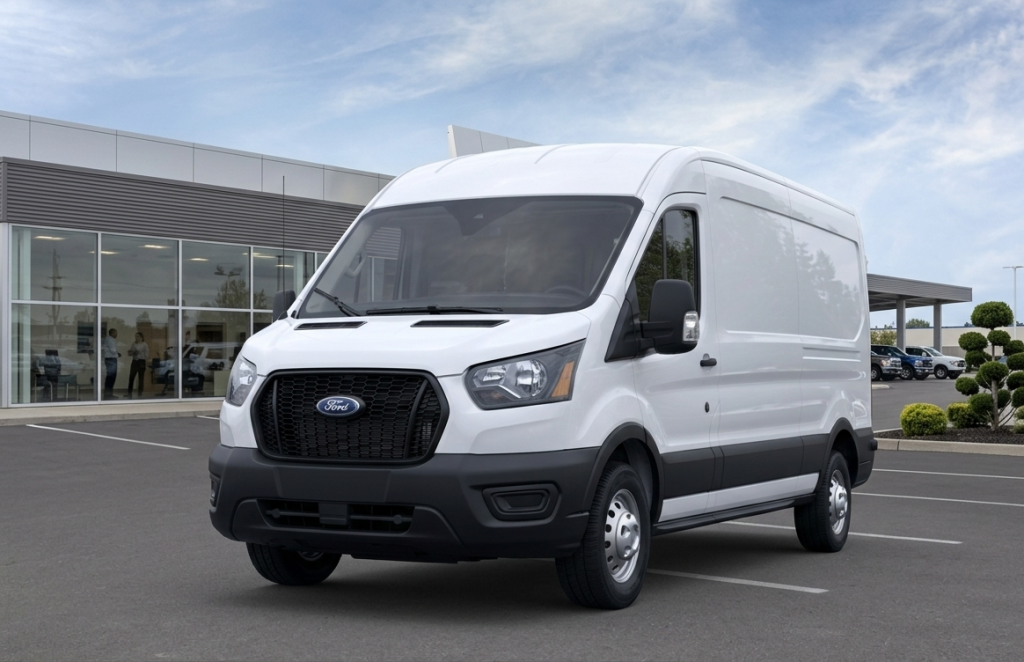
Passenger vehicles, such as the Ford Transit Passenger XL and XLT, also qualify for deductions if used predominantly for business.
Bonus Depreciation
Any Bonus Depreciation will supplement tax reduction benefits from Section 179.
Under current tax codes, commercial enterprises can use 100% Bonus Depreciation on eligible commercial vehicle purchases, with no annual spending cap for maximum first-year write-off.
Actual Expenses vs. Standard Mileage
Business owners can deduct ongoing operational costs for a passenger car by keeping accurate records and documents of expenses such as fuel, maintenance, insurance, and running repairs.
Business owners can use either the IRS Actual Expense Method or the standard mileage rate.
It’s recommended to use both methods to first establish which method gives you a better deduction.
What are the IRS requirements?
Keeping the taxman happy means strict record-keeping, and to qualify for business vehicle tax deductions, your vehicle must meet specific IRS criteria that demonstrate a legitimate business purpose and proper documentation.
Business owners must substantiate all deductions by maintaining comprehensive records of their business vehicle use that include:
- Date of each business trip
- Destination and business purpose
- Mileage for each business trip
- Documentation of business necessity
We highly recommend that commercial vehicle owners consult with a qualified tax professional to understand how these rules apply to their specific situation and state.


